

Now Hear This:
Noise pollution is a growing threat to the health and character of mountain lakes. Lakes like our own Moose Pond are valued for quiet recreation, wildlife habitat, and natural beauty, yet excessive sound can disturb all three. Loud, repeated noise from motorized watercraft can disrupt nesting birds, stress loons and other wildlife, and reduce the sense of peace sought by paddlers, anglers, swimmers, and shoreline residents.
Sound behaves differently over water than over land. Open water offers few obstacles to absorb or block noise, so sound can carry surprisingly far. Temperature layers, humidity, and calm early-morning or evening conditions can make engine noise, amplified music, and repetitive revving seem even louder across a lake basin. On Moose Pond, the surrounding slopes may also reflect or funnel sound, extending its reach around coves and shorelines.
In Maine, noise from watercraft is addressed under state boating laws and enforcement standards that prohibit unreasonable noise and regulate muffling requirements for motorboats. Maine law generally requires motorboats to have effective exhaust muffling systems, and excessively loud operation can lead to enforcement action, especially where noise creates a disturbance to others.
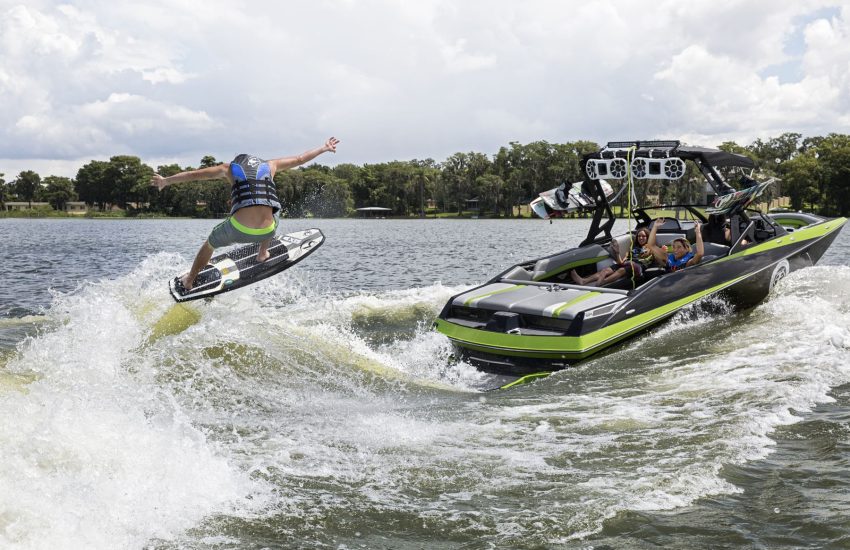
Among the leading contributors are personal watercraft such as jet skis and wake boats equipped with high-powered stereo systems. Jet skis can create frequent bursts of high-pitched engine noise over wide areas because of repeated acceleration and maneuvering. Wake boats add another layer of impact: large engines, prolonged operation, and loud tower speakers designed to project music across open water. Together, these uses can turn a quiet lake into a corridor of persistent mechanical and amplified sound.
Protecting our lakes means recognizing that noise is not a minor nuisance. It is a form of pollution that affects ecosystems, recreation, and quality of life both on the water and along the shore.
