W
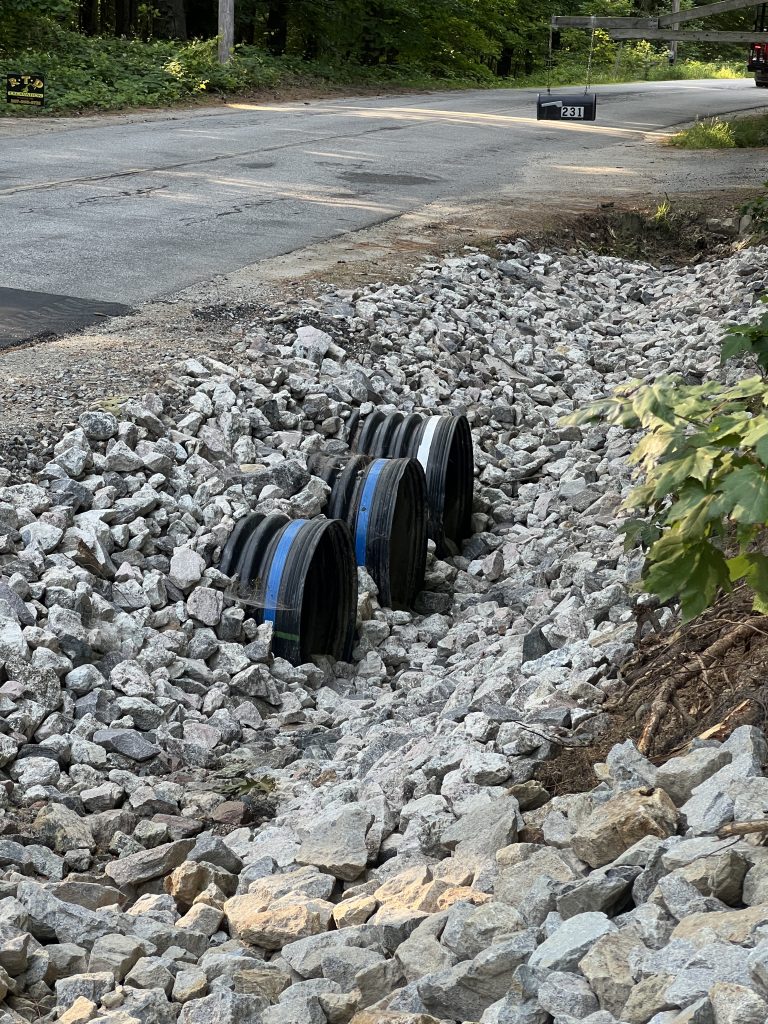
ell-maintained road culverts may not attract much attention, but on roads near lakes, they play an outsized role in protecting water quality. These simple structures are designed to move water safely under roads, yet their condition and performance can determine whether rainfall and snowmelt reach the lake in a controlled, filtered way or in a rush carrying pollution, sediment, and debris.
When culverts are working properly, they help manage stormwater runoff. Roads, driveways, and compacted roadside soils do not absorb water well, so rain tends to flow quickly across their surfaces. As that runoff moves, it can pick up oil, grease, heavy metals, trash, road salt, fertilizers, and fine sediment. A high functioning culvert slows and directs that water to appropriate drainage areas, helping prevent sudden surges from emptying directly into the lake. In many cases, culverts work together with ditches, vegetated swales, and roadside buffers that allow pollutants to settle out or be absorbed before the water reaches the lake.
Sediment control is one of the biggest water quality benefits. Excess sediment entering lakes is a major threat because it clouds the water, reduces sunlight penetration, and can smother fish-spawning habitat and aquatic plants. Sediment also often carries phosphorus, a nutrient that can fuel harmful algal blooms. If a culvert is undersized, blocked, or damaged, runoff may erode road shoulders, ditches, and embankments. That erosion sends even more soil into the lake. By contrast, a properly sized and maintained culvert conveys water at the right rate and reduces the chance of washouts and channel scouring.
Excess sediment entering lakes is a major threat because it clouds the water, reduces sunlight penetration, and can smother fish spawning habitat and aquatic plants
High-functioning culverts also support more natural water movement. Lakes are healthiest when incoming water follows stable drainage patterns rather than creating new gullies or bypass channels around failing infrastructure. When a culvert plugs up, water often overtops the road or cuts around it, causing severe erosion and delivering untreated runoff straight to the lake. Reliable culverts help preserve the surrounding landscape, maintain roadside vegetation, and reduce the transport of nutrients and contaminants.
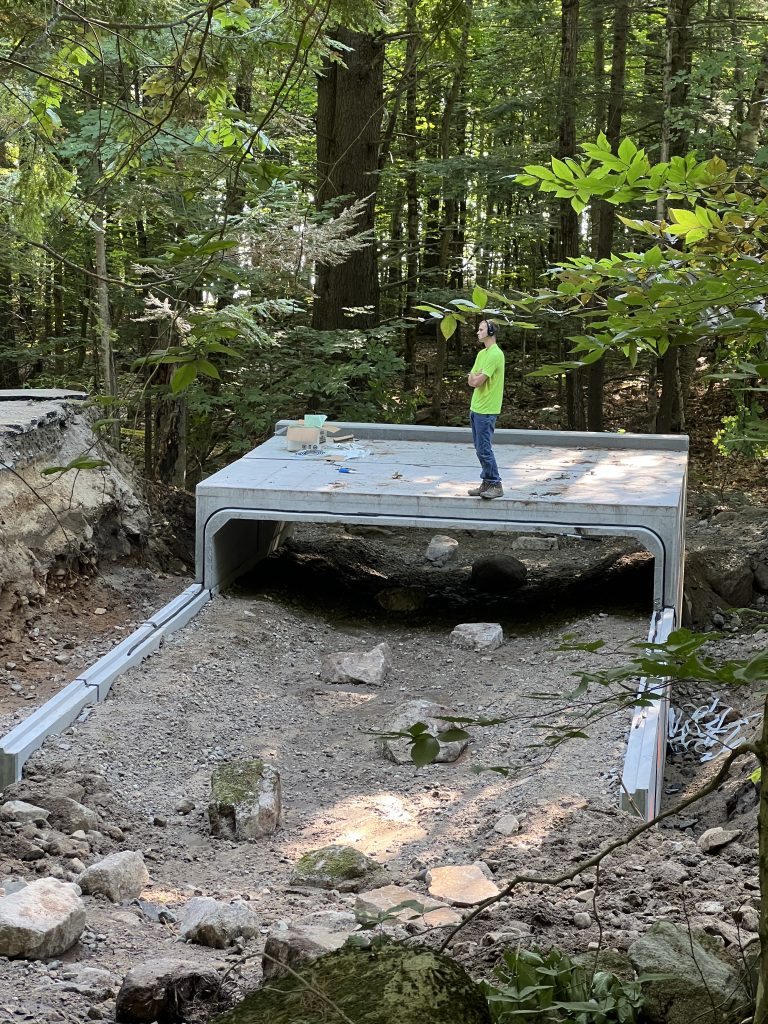
Another important benefit is resilience during large storms. As intense rainfall events become more common in many regions, aging or poorly designed culverts are more likely to fail. A failed culvert can dump large volumes of sediment and polluted runoff into nearby waters in a single event. Investing in inspection, cleaning, and upgrades helps communities prevent these sudden impacts while also protecting roads and public safety.
In short, culverts are much more than drainage pipes. On lake-adjacent roads, they are part of the front line of watershed protection. By controlling runoff, reducing erosion, limiting sediment and nutrient delivery, and preventing infrastructure failures, high functioning culverts help keep lakes clearer, healthier, and more resilient.