
by scott frame • mpa board member
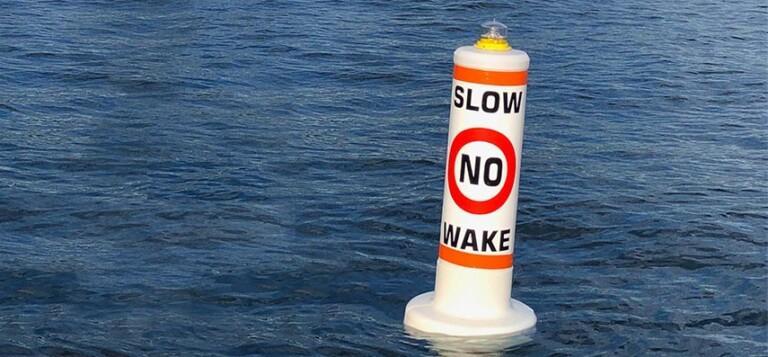
Lakes like Moose Pond are treasured natural resources, providing recreation, beauty, wildlife habitat, and clean water for communities. As boating activity has increased, many lakes have established “no wake zones”—areas where boaters must operate at idle speed to reduce the size of waves, or wakes, created by their boats. While some see these zones as an inconvenience, they are actually critical to protecting the long-term health of a lake. No wake zones benefit shorelines, water quality, wildlife, and the overall safety of everyone who enjoys the water.
One of the most direct benefits of no wake zones is the protection of shorelines from erosion. Boat wakes act like miniature storms, hitting the shore repeatedly and wearing down soil, sand, and vegetation. Over time, this erosion can undercut trees, damage property, and destroy natural habitat for fish, birds, and amphibians. Without protective vegetation, runoff carrying nutrients and sediments flows more easily into the lake, clouding the water and fueling algae blooms. By keeping boat speeds low near shore, no wake zones give shorelines a chance to remain stable and resilient.
Water quality is another major reason no wake zones are important. Fast-moving boats stir up sediments from the lake bottom, especially in shallow areas. This re-suspension of sediment releases nutrients such as phosphorus into the water, which can trigger algae growth and decrease oxygen levels needed by fish. Murky, stirred-up water also reduces sunlight penetration, harming aquatic plants that provide food and shelter for wildlife. No wake areas help keep sediments settled, maintaining clearer water and a healthier ecosystem.
Wildlife also benefits greatly from reduced wakes. Many fish species use near-shore areas as spawning grounds, and excessive wave action can wash away eggs or disrupt juvenile fish. Aquatic plants that shelter small fish and invertebrates are also sensitive to uprooting by waves. Waterfowl including loons rely on calm shoreline habitats for nesting and feeding. By limiting disturbances, no wake zones create safe havens where these species can thrive.
In addition to the obvious environmental benefits, no wake zones promote safety for people. Swimmers, paddleboarders, and kayakers often use the same near-shore areas as powerboats. Large wakes can capsize small watercraft, create dangerous swimming conditions, or cause injuries near docks. Requiring low speeds reduces the likelihood of collisions and makes the lake more enjoyable for everyone, regardless of how they choose to experience it.
Ultimately, no wake zones are not about limiting fun on the water—they are about ensuring that lakes remain healthy and usable for generations to come. A balanced approach to boating recognizes that while speed and power have their place, calmer zones are essential for protecting fragile shorelines, clean water, and wildlife habitats. When boaters respect no wake rules, they are investing in the long-term vitality of the lake they love.
Lakes are living systems, and the small choices people make—like slowing down in a no wake zone—can have lasting positive impacts. By honoring these zones, we can preserve the natural beauty and ecological health of our lakes while still enjoying all the recreation and relaxation they provide.