
by mark patterson • mpa board member
For many people who live near lakes, the beauty, recreation, and sense of community that these waters provide are central to their way of life. Yet, what happens in our own backyards can have a direct impact on the quality of these waters. One of the most important but often overlooked contributors to lake health is the condition of our septic systems. When maintained properly, septic systems safely treat household wastewater, protecting both our property and our lakes. But when neglected, failing septic systems can quickly become one of the leading sources of pollution in freshwater environments.
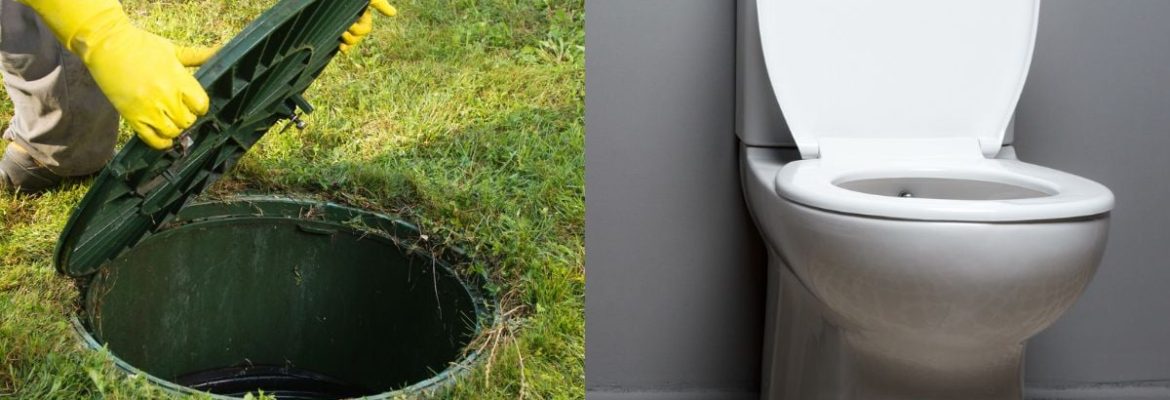
At its core, a septic system is designed to collect, treat, and disperse wastewater from sinks, showers, and toilets. The process relies on natural filtering through soil and the action of beneficial bacteria to remove harmful pathogens and nutrients before the water returns to the environment. When a system is working well, this treatment process is effective and safe. However, if a septic tank is leaking, overfilled, or otherwise failing, untreated or partially treated wastewater can seep directly into the groundwater or flow overland into nearby streams and lakes.
When a Moose Pond property owner takes responsibility for the care of their septic system, they are directly protecting the water quality of the lake that we love.
This untreated wastewater contains excess nutrients, such as nitrogen and phosphorus, that are harmful to lake ecosystems. When too many nutrients enter the water, they fuel the rapid growth of algae – a process known as eutrophication. Algal blooms not only turn clear water murky but also deplete oxygen levels as they decompose, creating “dead zones” where fish and other aquatic life cannot survive. In some cases, harmful algal blooms produce toxins that can be dangerous for pets, wildlife, and even people. Once established, these blooms are difficult and costly to manage, and they can quickly diminish the recreational and aesthetic value of a lake.
Failing septic systems can also introduce dangerous bacteria and viruses into lake water. These pathogens pose health risks to swimmers and boaters, leading to beach closures or advisories. Contaminated water can also affect local drinking water supplies if residents rely on wells, compounding the risks to human health. Thus, the consequences of an unhealthy septic system extend far beyond a single property line – they ripple outward, impacting neighbors, communities, and ecosystems.
The good news is that these problems are preventable. Regular maintenance, such as having a septic tank inspected every three years (3-5 years if only used seasonally for 3-4 months a year) and pumped as needed, goes a long way toward ensuring that a septic system functions as intended. Homeowners should also be mindful of water usage, avoid flushing non-biodegradable items, and prevent vehicles from driving over drain fields. Simple steps like planting grass and/or shallow-rooted perennials, rather than deep-rooted trees, over septic areas can also help protect the system. When a Moose Pond property owner takes responsibility for the care of their septic system, they are directly protecting the water quality of the lake that we love.endly manner by encouraging natural buffers between your house and the lake that filter out unhelpful sediment before it reaches the pond.